
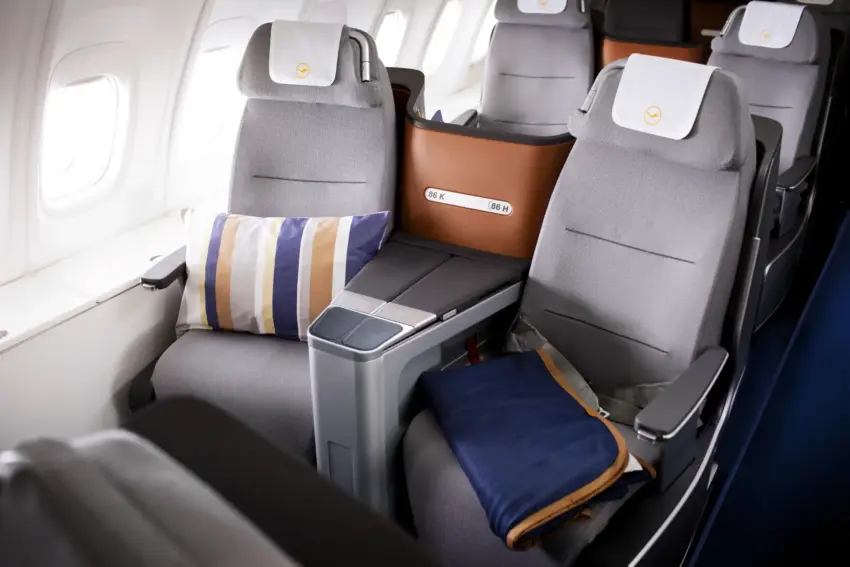
Airlines are piloting dynamic seat upgrade pricing on short-haul routes, adjusting the cost of moving to extra-legroom rows or premium cabins based on demand and remaining inventory. The shift mirrors how airlines already price tickets: instead of fixed upgrade fees, passengers see offers that can change by route, travel day, and even how close it is to departure.
What “dynamic upgrades” mean
Dynamic upgrade pricing uses real-time signals—such as load factor, booking pace, and remaining premium seats—to set upgrade offers. On short-haul flights, the focus is typically on extra-legroom economy rows, blocked middle seats, or business-class seats where available. The aim is to fill higher-yield inventory without relying only on last-minute airport counters.
- Variable upgrade prices based on demand and remaining seats.
- Offers shown in-app during check-in or after ticket purchase.
- Route-specific pricing reflecting business-heavy or leisure-heavy demand.
- Time-based shifts where prices often change closer to departure.
- Inventory controls that protect seats for higher-fare buyers when needed.
Why airlines are testing it on short-haul
Short-haul routes have frequent departures, dense competition, and a high share of price-sensitive travelers—making ancillary revenue particularly important. Airlines also have more data to refine pricing because these routes run repeatedly each day and week. By testing upgrades on short-haul flights first, carriers can adjust algorithms quickly without the higher stakes and longer customer expectations associated with long-haul premium travel.
What passengers may notice
Travelers may see upgrade offers appear earlier in the journey, not only at the airport. Some airlines present “limited time” upgrade prompts in the app, via email, or during online check-in. Prices may also fluctuate: a seat upgrade could be cheaper right after booking, then rise as premium inventory shrinks—or drop close to departure if seats remain unsold.
- More frequent upgrade prompts during booking, in the app, and at check-in.
- Changing prices for the same cabin or seat type across days and routes.
- Bundles combining upgrades with baggage, lounge access, or priority boarding.
- Stricter seat policies as airlines protect premium rows from free switching.
Benefits and concerns
Supporters say dynamic upgrades can offer occasional bargains and give airlines a better way to fill premium seats without discounting base fares. Critics argue that variable fees can reduce transparency and make it harder to compare total trip costs, especially when customers face many add-on decisions after purchasing a ticket.
In Germany and across the EU, transparency concerns are often closely watched. If upgrade pricing becomes highly variable, airlines may face pressure to make upgrade offers clearer earlier in the purchase flow, so travelers can evaluate the full cost of comfort-related add-ons.
How travelers can improve their chances of a good deal
Because upgrade pricing is driven by inventory and demand, timing matters. Passengers who are flexible and check offers at different points—after booking and again at check-in—may see different prices.
- Check upgrade offers soon after booking when premium seats may still be abundant.
- Compare at online check-in when airlines may try to monetize remaining inventory.
- Watch for bundles that can be cheaper than buying services separately.
- Review loyalty benefits that may reduce upgrade costs or provide priority options.
Bottom line
Dynamic seat upgrade pricing on short-haul routes is part of airlines’ broader effort to price every element of the trip in real time. For travelers, it can mean more chances for discounted comfort—but also less predictability. The long-term impact will depend on whether airlines can balance revenue optimization with clear, upfront communication that keeps pricing understandable.