
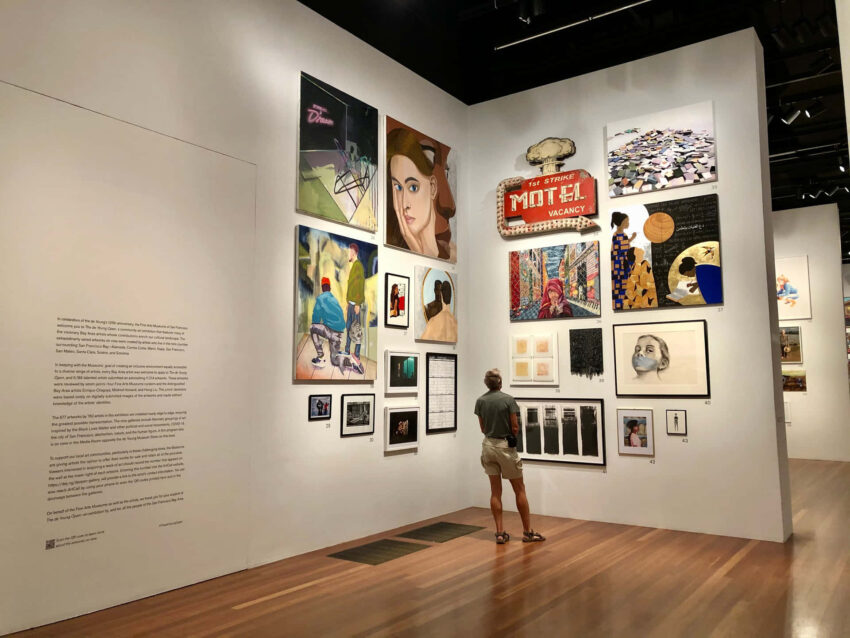
Museums are expanding late-night exhibition hours to attract younger visitors, testing formats that blend culture with social experiences after work and on weekends. The move reflects changing leisure habits: many people in their 20s and 30s are more likely to attend events in the evening than to spend a Saturday afternoon in a gallery, especially in cities where nightlife competes with traditional cultural programming.
Why late-night openings are growing
Museums say late-night openings help lower barriers to attendance. Evening hours fit better with work schedules, reduce competition with daytime errands, and can make museums feel more welcoming to first-time visitors. Organizers also see late-night programs as a way to increase repeat visits by turning an exhibition into an event rather than a one-off trip.
- Scheduling fit: evenings are easier for working visitors and students.
- Event appeal: special programming creates a “reason to go now.”
- Repeat attendance: rotating talks and performances encourage return visits.
- Revenue opportunities: cafés, bars, and museum shops perform better at night events.
- City partnerships: collaboration with local venues can expand marketing reach.
What late-night museum events look like
Rather than simply keeping doors open longer, many institutions are redesigning evening hours as curated experiences. Programs often combine shorter guided tours with music, food, and interactive elements that encourage sharing on social media—while still keeping the focus on the exhibition.
- Short-format tours with multiple start times to reduce waiting.
- Talks and live Q&A with artists, curators, or guest speakers.
- DJ sets or live music in designated zones away from fragile works.
- Workshops such as sketching, photography, or maker sessions.
- Social spaces with food and drinks, often requiring timed entry.
Why younger audiences respond
Museum teams say younger visitors often value experiences that are social, flexible, and easy to plan. Late-night formats offer a lower-commitment entry point: a visitor can attend for an hour, meet friends, and still continue their evening elsewhere. The atmosphere also feels less formal, which can reduce the intimidation factor for people who do not regularly visit museums.
What it could mean in Germany
In Germany, late-night museum programming aligns with broader city cultural strategies that aim to keep urban centers vibrant after hours. Larger institutions in Berlin, Hamburg, Munich, Cologne, and Frankfurt have already tested extended openings and themed nights, and smaller museums are increasingly joining through local “long night” events and district-wide cultural passes.
Museums also see late-night programs as a way to diversify audiences without changing collection priorities—using format and access to reshape who feels invited.
Challenges: staffing, security, and cost
Late-night openings are resource-intensive. Museums must pay staff overtime, extend security coverage, and manage crowd flow—especially when alcohol is served. Curatorial teams also need to protect sensitive works from humidity, light exposure, and accidental damage, which can limit how certain galleries are used in event formats.
- Operational cost: staffing and utilities rise with longer hours.
- Security needs: more guards and clearer visitor routing.
- Conservation constraints: controlling lighting, temperature, and crowd behavior.
- Noise management: keeping events compatible with exhibition spaces.
- Accessibility: ensuring late-night events remain inclusive and not only nightlife-oriented.
Bottom line
Late-night exhibitions are emerging as a practical strategy to reach younger visitors by meeting them on their schedule and offering a more social, flexible museum experience. If institutions can balance atmosphere with conservation and security, the format could become a regular part of museum programming—helping museums remain relevant in competitive urban leisure landscapes.